

 Team ELEBG – Electronics Buyer’s Guide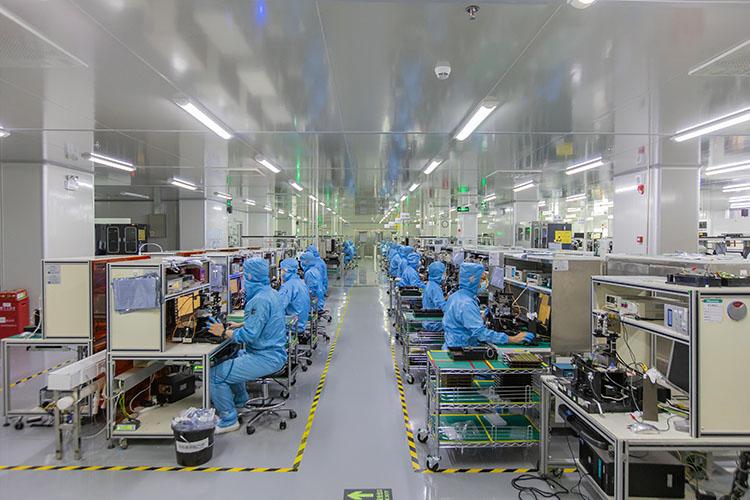
Cleanrooms play a vital role in the electronics manufacturing industry, where precision, product quality, and contamination control are essential. As electronic components become smaller and more advanced, even tiny particles of dust or other contaminants can affect product performance and reliability. This makes cleanroom technology an essential part of modern electronics manufacturing.
Why Are Cleanrooms Important in Electronics Manufacturing?
A cleanroom for electronics manufacturing is a controlled environment designed to minimize airborne particles, dust, moisture, and other contaminants. These environments maintain strict control over factors such as air quality, temperature, humidity, pressure, and particle levels.
Cleanrooms are commonly used in the manufacturing of semiconductors, printed circuit boards (PCBs), sensors, displays, microelectronics, and precision electronic components.
Benefits of Cleanrooms in the Electronics Industry
Implementing a cleanroom environment provides several important benefits, including:
- Improved product quality and reliability
- Reduced contamination and manufacturing defects
- Higher production yield
- Better process consistency
- Protection of sensitive electronic components
- Compliance with required industry standards
- Reduced risk of product failure
Advanced HEPA and ULPA filtration systems, controlled airflow, proper gowning procedures, and regular environmental monitoring help maintain the required cleanliness levels inside an electronics cleanroom.
Cleanroom Technology for Modern Electronics Manufacturing
With the rapid growth of semiconductor manufacturing, electronic devices, medical electronics, and advanced technologies, the need for highly controlled manufacturing environments continues to increase. A properly designed and maintained cleanroom helps manufacturers achieve consistent production quality while protecting sensitive components from contamination.
In today’s competitive electronics industry, a cleanroom is more than just a controlled workspace—it is an important part of quality assurance, process efficiency, and advanced manufacturing.
As electronic components continue to become smaller, more precise, and more sensitive, cleanrooms will remain a key requirement for the future of electronics manufacturing.