

 Team ELEBG – Electronics Buyer’s Guide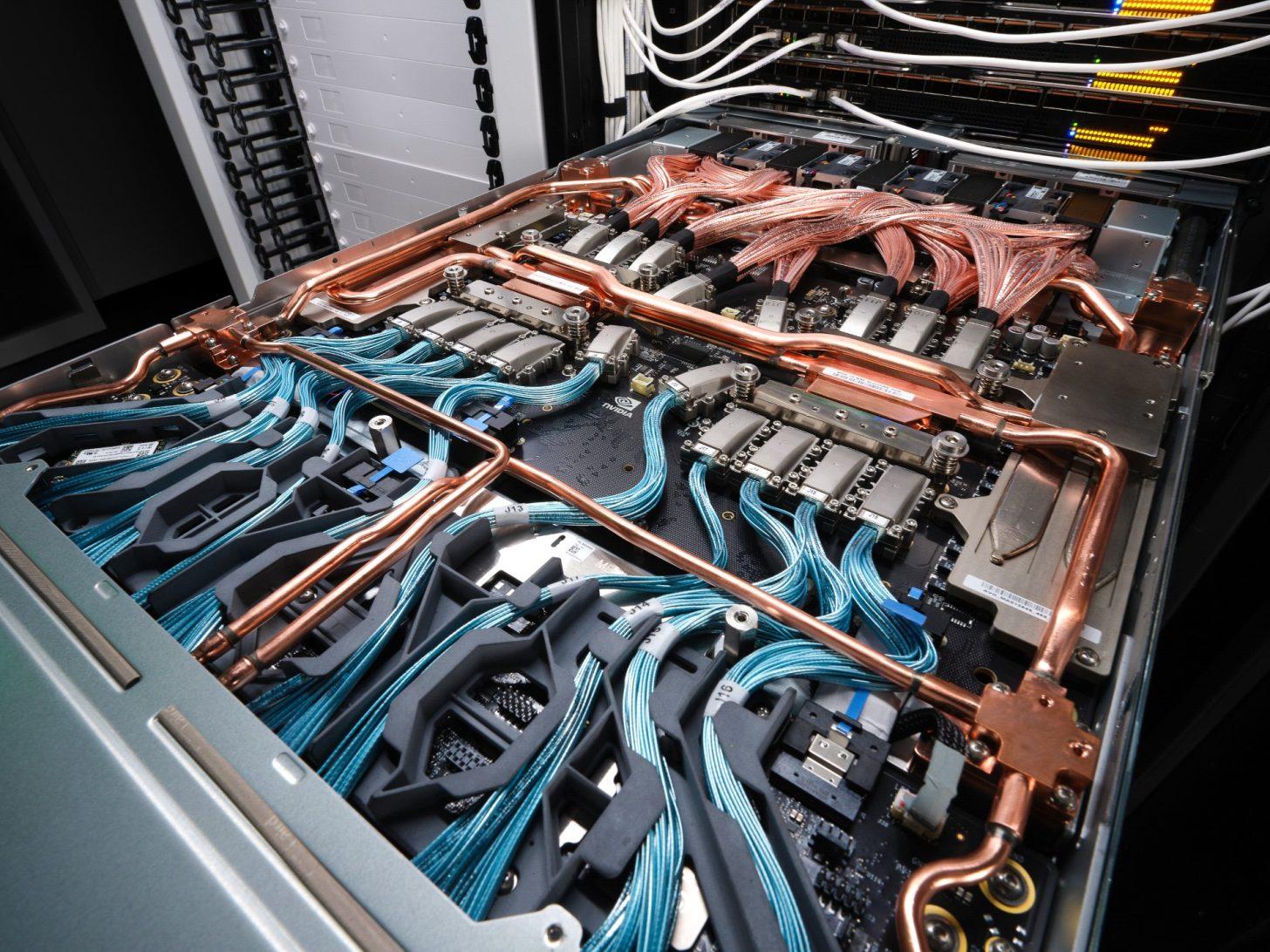
Cooling Is the New Challenge for Modern Data Centres
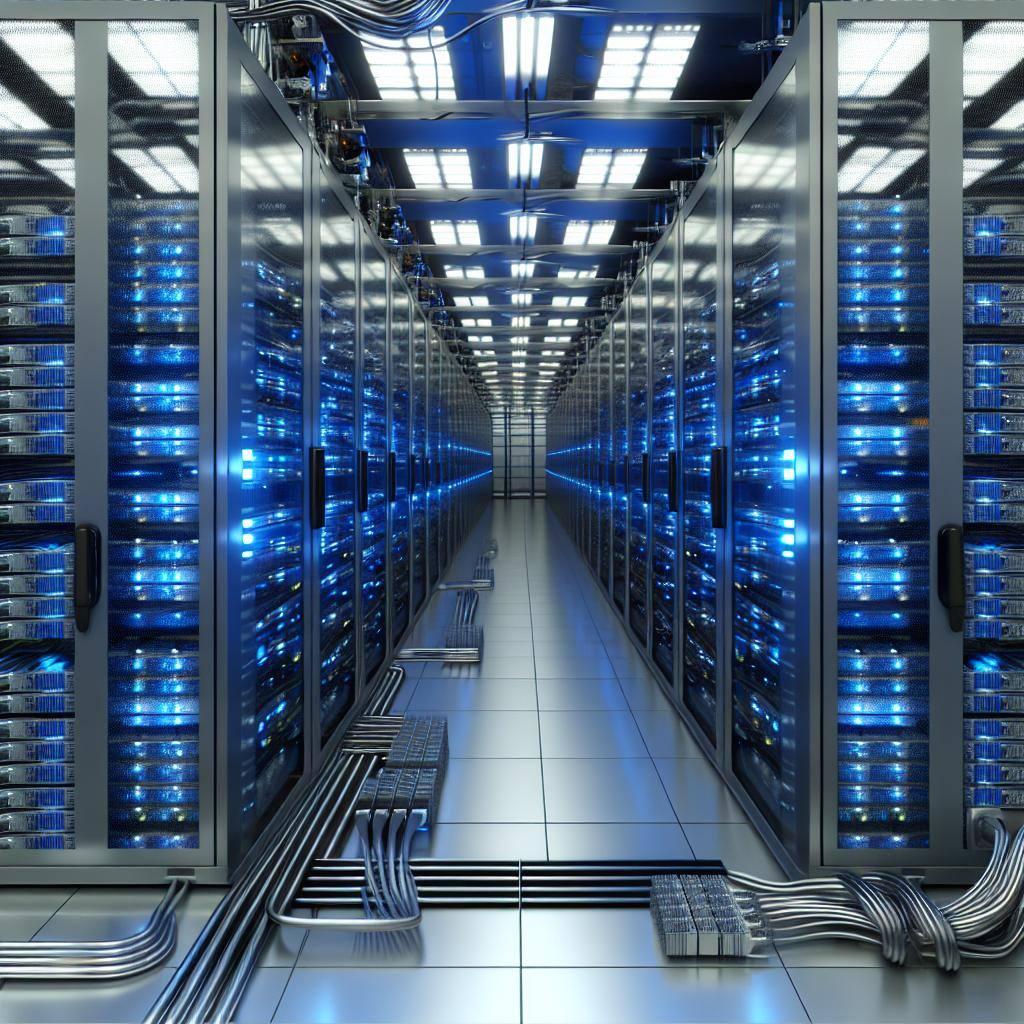
As AI, cloud computing, and high-performance workloads expand, data centres are experiencing rising thermal loads. High-performance processors and GPU clusters generate significant amounts of heat, making effective thermal management essential for maintaining performance and preventing equipment damage.
Traditional air-cooling systems are increasingly being supplemented or replaced by advanced solutions such as direct-to-chip liquid cooling and immersion cooling. These technologies offer opportunities to manage higher heat densities, but they also introduce new testing and measurement requirements.
Why Precision Thermal Measurement Matters
Accurate temperature and environmental measurements are essential for evaluating cooling performance and identifying potential inefficiencies.
Advanced measurement systems help engineers assess:
- Temperature distribution: Identifying thermal hotspots across server racks and critical components.
- Cooling performance: Measuring heat transfer, coolant temperature, flow rates, and thermal response.
- Environmental monitoring: Tracking temperature, humidity, and other critical environmental parameters.
- System efficiency: Evaluating cooling energy consumption under different workload conditions.
- Reliability validation: Testing cooling systems for stability, performance, and response to changing thermal loads.
The Role of Test & Measurement Solutions
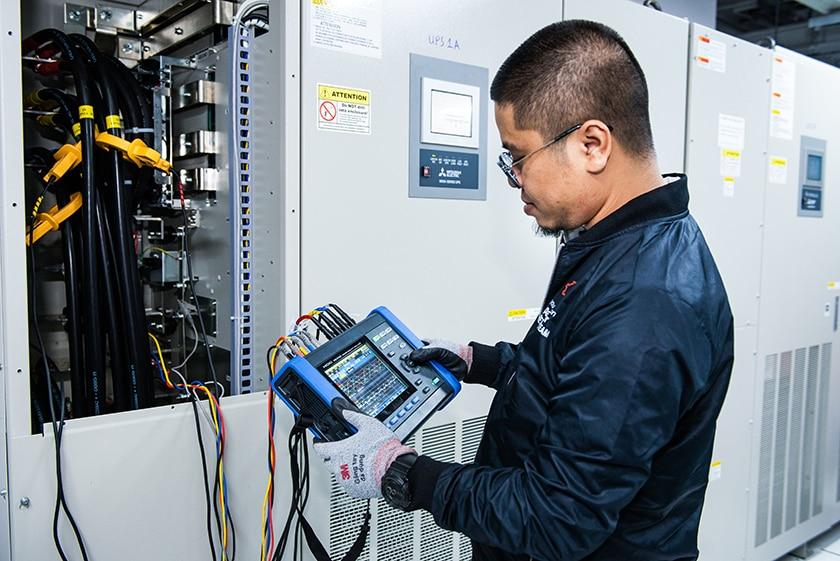
Precision temperature sensors, data acquisition systems, thermal imaging equipment, flow measurement instruments, and programmable power supplies can support the development and validation of advanced cooling infrastructure.
For liquid-cooled data centres, engineers need to assess the thermal behaviour of cold plates, pumps, heat exchangers, and coolant distribution systems. Testing can help identify performance limitations, flow imbalances, and potential failure points before systems are deployed at scale.
Environmental test systems can also help equipment manufacturers validate server performance under varying temperature and humidity conditions.
Building More Sustainable Data Centres
Energy efficiency has become an important priority for data centre operators seeking to manage operating costs and meet sustainability objectives.
Accurate testing and continuous measurement can help identify inefficiencies, improve cooling control strategies, and support more informed infrastructure decisions.
As liquid cooling and high-density computing become more widespread, precision measurement will play an increasingly important role in developing reliable and energy-efficient thermal management systems.
Conclusion
The future of data centre cooling depends on more than advanced cooling hardware. Precision testing, thermal measurement, and data-driven optimisation are essential for improving energy efficiency, maintaining equipment reliability, and supporting the growing demands of AI infrastructure.