

 Team ELEBG – Electronics Buyer’s Guide
Introduction: In the quest for sustainable energy solutions, hydrogen is emerging as a frontrunner due to its versatility and zero-emission potential. As hydrogen infrastructure expands globally, precise and efficient measurement tools are essential for monitoring, optimizing, and ensuring the safety of hydrogen production, storage, and distribution processes. In this article, we explore the role of Electrochemical Impedance Spectroscopy (EIS) meter technology in advancing hydrogen infrastructure and facilitating the transition to a hydrogen-based economy.
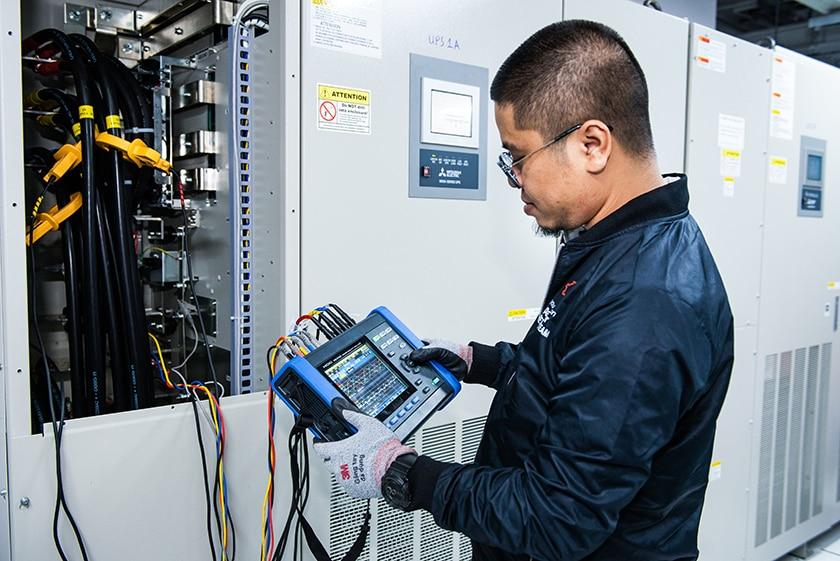
Understanding EIS Meter Technology: Electrochemical Impedance Spectroscopy (EIS) is a powerful analytical technique used to characterize the electrochemical behavior of materials and systems. EIS meters measure the impedance of a system over a range of frequencies, providing valuable insights into processes such as corrosion, electrode kinetics, and ion transport. In the context of hydrogen technology, EIS meters offer a non-invasive and real-time method for monitoring the performance and integrity of hydrogen-related components, including electrolyzers, fuel cells, pipelines, and storage tanks.
Optimizing Electrolysis: In hydrogen production through electrolysis, EIS meters play a crucial role in optimizing electrolyzer performance and efficiency. By analyzing impedance spectra, EIS meters can detect and diagnose issues such as electrode degradation, membrane fouling, and gas crossover, enabling proactive maintenance and process optimization. Furthermore, EIS-based monitoring allows operators to fine-tune operating conditions, such as temperature, pressure, and electrolyte composition, to maximize hydrogen production while minimizing energy consumption and operating costs.
Ensuring Storage Integrity: Effective storage of hydrogen is essential for ensuring the availability and reliability of hydrogen supply chains. EIS meters are utilized to assess the integrity of hydrogen storage tanks and pipelines by monitoring factors such as corrosion, hydrogen embrittlement, and permeation. By continuously monitoring impedance changes, EIS meters can detect early signs of degradation or damage, enabling timely intervention and preventive maintenance to prevent safety hazards and minimize downtime.
Facilitating Distribution Networks: In the distribution of hydrogen, whether through pipelines or mobile transport, EIS meter technology offers valuable insights into system performance and integrity. By monitoring impedance variations in real-time, EIS meters can detect leaks, blockages, or other anomalies in the distribution network, allowing operators to take prompt corrective actions and prevent potential safety incidents. Additionally, EIS-based monitoring facilitates the optimization of distribution logistics and infrastructure planning by providing data-driven insights into usage patterns, demand fluctuations, and system efficiency.
Advancing Safety and Reliability: Safety and reliability are paramount in hydrogen technology, given its flammability and high-pressure storage requirements. EIS meters contribute to enhancing safety and reliability by providing early warning indicators of potential hazards and degradation mechanisms. By implementing continuous monitoring with EIS meters, operators can mitigate risks, optimize maintenance schedules, and ensure compliance with regulatory standards, thereby fostering confidence in the reliability and safety of hydrogen infrastructure.
Conclusion: As the global transition to a hydrogen-based economy accelerates, the role of advanced measurement technologies such as EIS meters becomes increasingly critical. By enabling real-time monitoring, diagnostics, and optimization of hydrogen production, storage, and distribution processes, EIS meter technology helps to unlock the full potential of hydrogen as a clean and sustainable energy carrier. With ongoing advancements and integration into hydrogen infrastructure, EIS meters will continue to play a pivotal role in ensuring the efficiency, safety, and reliability of hydrogen systems, paving the way for a greener and more resilient energy future.