

 Team ELEBG – Electronics Buyer’s Guide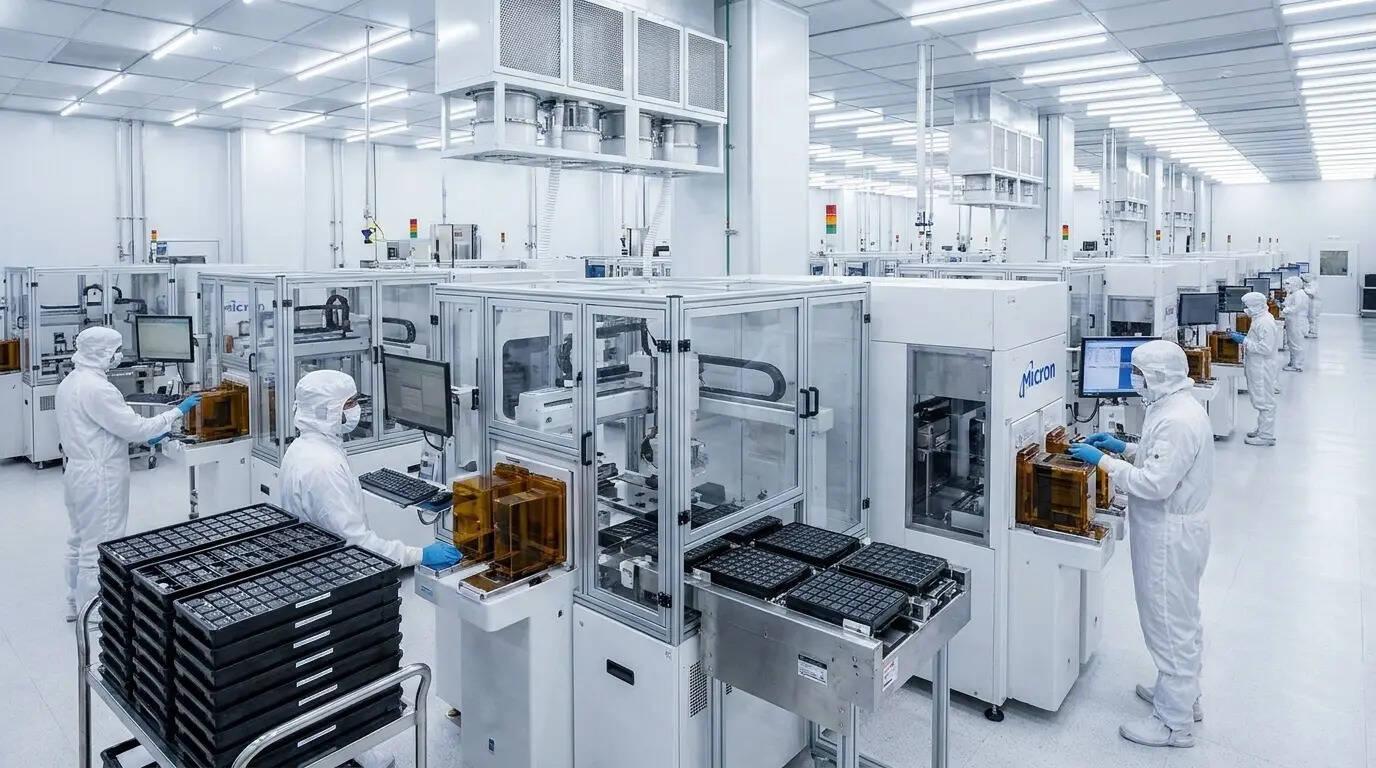
The semiconductor industry is entering a transformative era, driven by artificial intelligence (AI), advanced chip manufacturing, electric vehicles, and the growing demand for high-performance computing. Semiconductors, often called the backbone of modern technology, are essential components in everything from smartphones and laptops to data centers, automobiles, and industrial automation.
As countries worldwide seek to strengthen their semiconductor supply chains, the industry is witnessing major investments in chip fabrication, research and development, and next-generation semiconductor technologies. India is also positioning itself as an emerging semiconductor manufacturing hub, creating new opportunities for global companies, investors, and technology businesses.
1. Global Semiconductor Industry: AI Is Driving the Next Growth Cycle
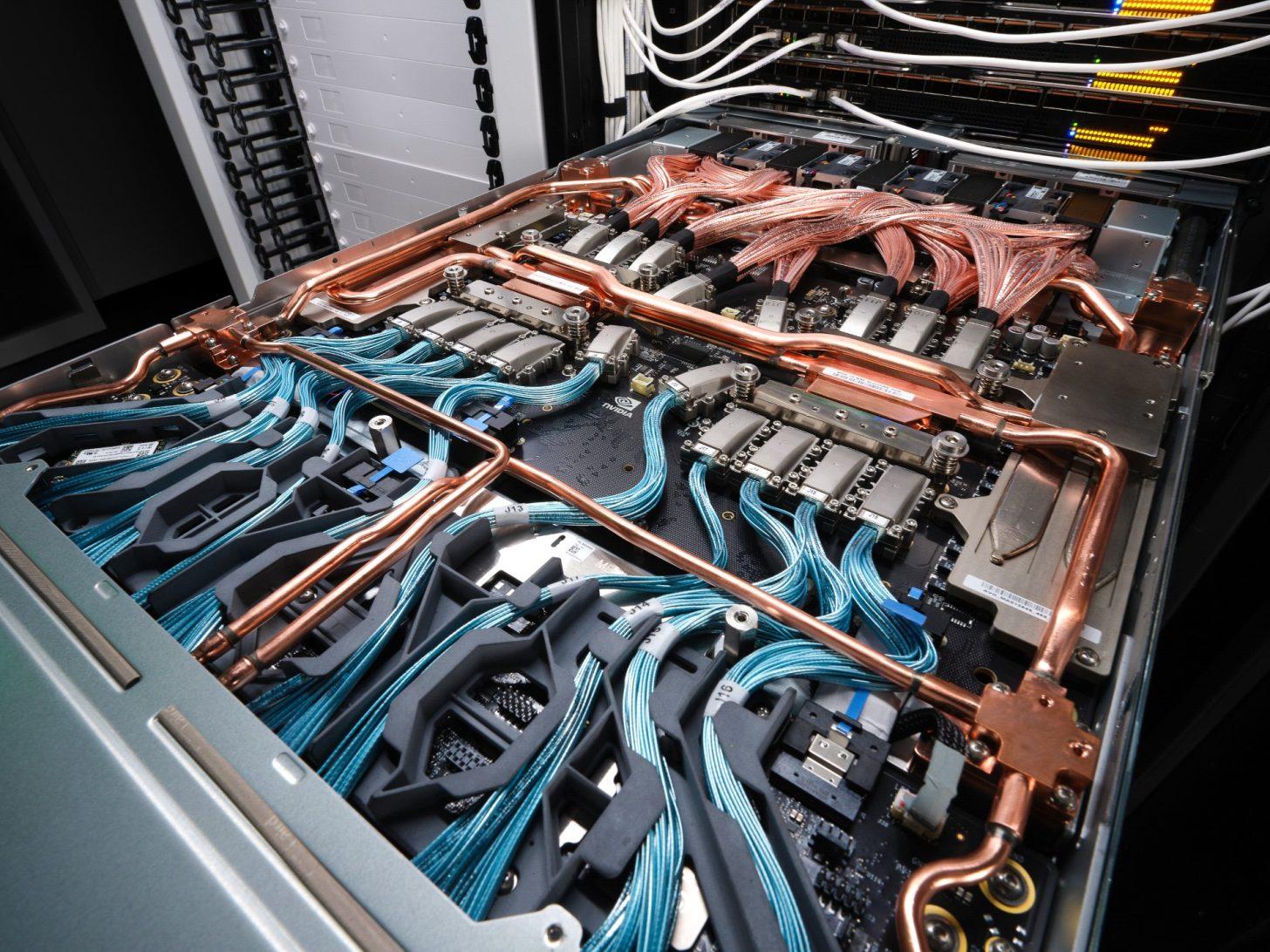
Artificial intelligence has become one of the most important growth drivers for the global semiconductor market. The expansion of generative AI, cloud computing, machine learning, and high-performance data centers is increasing demand for advanced processors, memory chips, and specialized semiconductor solutions.
Major technology companies are investing heavily in AI infrastructure, creating opportunities for semiconductor manufacturers, chip designers, and equipment suppliers. The latest trade figures from South Korea demonstrate this momentum: semiconductor exports reached a record $60.3 billion in September 2026, rising 262.8% year over year.
2. India’s Semiconductor Industry Gains Momentum in 2026
India is emerging as an important destination for semiconductor manufacturing and supply-chain investment. With a growing electronics market, a large engineering workforce, and government-backed incentives, the country is working to reduce dependence on imported chips and strengthen domestic production.
One of the biggest developments in 2026 is the introduction of Semicon 2.0, which builds on the first phase of the India Semiconductor Mission. The program has an announced outlay of ₹1,27,500 crore and focuses on expanding the semiconductor ecosystem, including chip design, fabrication, research and development, materials, equipment, advanced packaging, and workforce development.
During SEMICON India 2026, the government also reported substantial investment interest from domestic and international companies. Investment proposals of approximately $11–12 billion were reported for semiconductor-related sectors, including equipment, materials, gases, and chemicals.
These developments signal a shift from policy planning toward building a more comprehensive semiconductor manufacturing ecosystem in India.
3. Semiconductor 2.0: Moving Beyond Chip Assembly
The next stage of India’s semiconductor strategy aims to build capabilities across the entire value chain rather than focusing only on chip assembly and packaging.
Key focus areas include:
-
Chip design: Developing processors, AI chips, and specialized integrated circuits.
-
Semiconductor fabrication: Establishing advanced facilities for manufacturing silicon wafers and integrated circuits.
-
Advanced packaging: Improving chip performance, efficiency, and integration.
-
Materials and equipment: Strengthening domestic suppliers of critical manufacturing inputs.
-
Research and development: Encouraging innovation, intellectual property creation, and collaboration between industry and academia.
-
Skill development: Training engineers, technicians, and specialists for semiconductor manufacturing.
The Indian government has outlined these priorities under Semicon 2.0, with the goal of building a stronger and more competitive domestic industry.
4. Advanced Chip Manufacturing and Next-Generation Technologies
The semiconductor industry is increasingly focused on producing smaller, faster, and more energy-efficient chips. Advanced manufacturing processes, chiplets, high-bandwidth memory, and 3D packaging are becoming important areas of technological development.
AI applications require chips capable of processing enormous amounts of data while maintaining power efficiency. This has increased the importance of advanced processors, memory architectures, and specialized accelerators.
At the same time, automotive electronics, electric vehicles, telecommunications, robotics, and industrial automation are creating demand for different categories of semiconductors, including power-management chips, microcontrollers, sensors, and radio-frequency components.
For India, investing in both chip design and advanced packaging could create valuable opportunities to participate in these higher-value areas of the semiconductor industry.
5. Global Companies Expand Their Semiconductor Investments in India
International semiconductor companies are increasingly exploring India’s manufacturing, research, and supply-chain opportunities.
At SEMICON India 2026, US-based semiconductor equipment manufacturer Applied Materials announced plans to invest $5 billion in India over the next decade. The investment is intended to expand its presence in research, supply-chain development, and workforce capabilities.
Other major semiconductor equipment and technology companies are also exploring partnerships and expansion opportunities in the country. These developments could help India attract advanced manufacturing expertise, strengthen local supplier networks, and create new high-skilled employment opportunities.
6. Challenges Facing the Semiconductor Industry
Despite the positive outlook, the semiconductor industry faces several significant challenges.
-
High capital investment: Building semiconductor fabrication facilities requires substantial upfront investment and long development timelines.
-
Technology dependence: Advanced chip manufacturing depends on highly specialized equipment, materials, and intellectual property.
-
Skilled workforce: The industry requires engineers and technicians with expertise in semiconductor physics, fabrication, testing, and process control.
-
Water and energy requirements: Chip manufacturing requires reliable supplies of high-quality water and electricity.
-
Global competition: Established manufacturing hubs in Taiwan, South Korea, Japan, China, Europe, and the United States have extensive technological capabilities.
-
Supply-chain risks: Geopolitical tensions, trade restrictions, and disruptions in critical materials can affect production.
For India, overcoming these challenges will require sustained investment, reliable infrastructure, international partnerships, and long-term research and development.
7. Future Outlook: What to Expect From the Semiconductor Industry
The semiconductor industry’s future is closely connected to the growth of AI, cloud computing, connected devices, electric mobility, and advanced manufacturing.
Over the coming years, demand for AI accelerators, high-performance memory, power semiconductors, and advanced packaging is likely to remain strategically important. Companies that can deliver better performance, lower energy consumption, and reliable supply chains will be well positioned to compete.
India’s opportunity extends beyond manufacturing. The country can leverage its engineering talent and growing technology ecosystem to develop semiconductor intellectual property, design specialized chips, build research capabilities, and support global manufacturing networks.
However, turning investment announcements into commercially competitive production will be a critical measure of long-term success.
8. Conclusion
The semiconductor industry is entering a new phase of growth in 2026, with artificial intelligence, advanced computing, and supply-chain diversification reshaping global demand and investment.
India’s Semicon 2.0 strategy, new investment commitments, and expanding industry partnerships represent important steps toward establishing a stronger semiconductor ecosystem. Continued progress in chip design, fabrication, advanced packaging, research, and skill development will be essential to achieving this ambition.
As technology becomes increasingly dependent on semiconductors, the industry is set to remain a cornerstone of economic growth, innovation, and national technological competitiveness.